

«Ֆիզմաթ դպրոցի բարեկամ» հիմնադրամ
Աջակցելով Հայաստանի տեխնոլոգիական ապագայի տաղանդների բազային
Հայաստանի տեխնոլոգիական ոլորտն աշխարհում ամենաարագ զարգացողներից է։ Այսօր երկրում գործում է ավելի քան 10,000 տեխնոլոգիական ընկերություն, որոնց տարեկան շրջանառությունը կազմում է շուրջ 2.3 միլիարդ դոլար՝ ապահովելով ՀՆԱ-ի մոտ 7%-ը։ R&D-ն, NVIDIA-ն, Adobe-ը, Cisco-ն և Siemens-ը գլխամասեր ունեն Երևանում։ Միևնույն ժամանակ, հայ հիմնադիրների կողմից ստեղծված ընկերությունները՝ ServiceTitan, Picsart, SuperAnnotate, ActiveLoop, BlueOrigin, Onex, Fimetech, Krisp և շատ ուրիշներ, ձևավորում են համաշխարհային մակարդակի տեխնոլոգիական արտադրանք՝ հենց այս տաղանդային բազայի վրա։ Վերջին տասնամյակում ոլորտը աճել է միջինում 23% տարեկան տեմպով։
Սակայն պետք է հիշել, որ յուրաքանչյուր ուժեղ տեխնոլոգիական էկոհամակարգի հիմքում կա մեկ ընդհանուր բան՝ տաղանդների կայուն համակարգ։
Չինական մոդելը՝ որպես ապացույց, որ տաղանդների համակարգերը հաղթում են տեխնոլոգիական մրցավազքերում
Չինաստանի առաջընթացն արհեստական բանականության ոլորտում պատահական չէ։ Դա երկար տարիների պետական ռազմավարության արդյունք է՝ ուղղված դպրոցներում բացառիկ ունակություններով աշակերտների վաղ հայտնաբերմանը և զարգացմանը՝ «տաղանդների դասարաններ» ծրագրի միջոցով։
Ամեն տարի շուրջ 100,000 շնորհալի պատանիներ ներգրավվում են այս խորացված կրթական հոսքերում։ Արդյունքներն ակնհայտ են․ ծրագրրի շրջանավարտները հիմնել են ByteDance-ը, զարգացրել DeepSeek-ը, ղեկավարում են Չինաստանի խոշոր e-commerce հարթակները և հիմնադրել են Cambricon չիպարտադրող ընկերությունը, որը մրցում է NVIDIA-ի հետ։
Երբ 2025-ին DeepSeek-ը ներկայացրեց աշխարհին առաջատար AI մոդելը, թիմի 100-ից ավել աշխատակիցներ հենց «տաղանդների դասարաններ»-ի շրջանավարտներ էին։
Այսօր Չինաստանում տարեկան ավարտում է մոտ 5 միլիոն STEM մասնագետ, մինչդեռ ԱՄՆ-ում այդ թիվը կազմում է մոտ կես միլիոն։
Բանաձևը շատ պարզ է՝
- բացառիկ տաղանդների բացահայտում վաղ տարիքում,
- ինտենսիվ պարապմունքներ օլիմպիադաների միջոցով,
- կրթական շղթայի ստեղծում՝ դպրոցից համալսարան,
- այդ կադրերի ուղղորդում դեպի տեխնոլոգիական ոլորտ։
Հենց այս մոտեցումն է, որ Հայաստանում կիրառում է Ա․ Շահինյանի անվան Ֆիզմաթ դպրոցը, ինչը պետք է դարձնել ազգային նպատակ։
Ֆիզմաթ դպրոց․ վեց տասնամյակ ապացուցված գերազանցություն
1965 թվականին հիմնադրված ֆիզիկամաթեմատիկական դպրոցը Հայաստանի թիվ 1 դպրոցն է։ 2023-ին ընդգրկվել է World’s Best School Prizes-ի աշխարհի լավագույն 10 դպրոցների ցանկում։
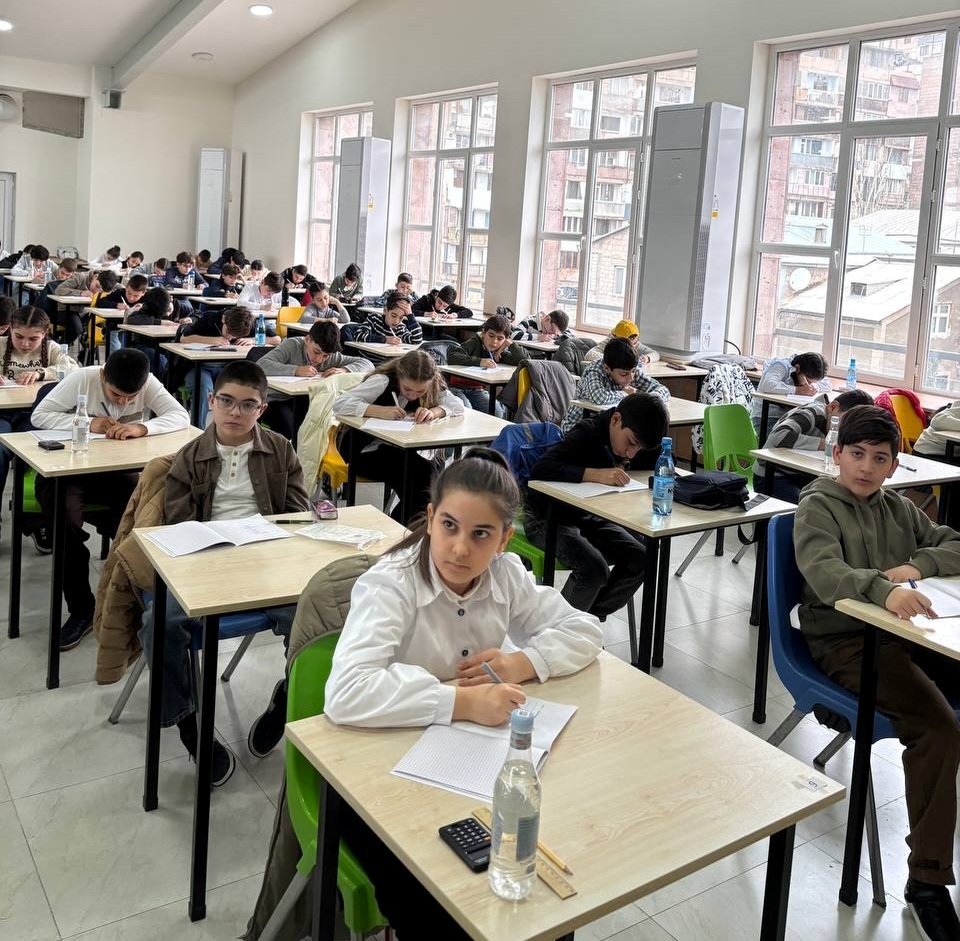
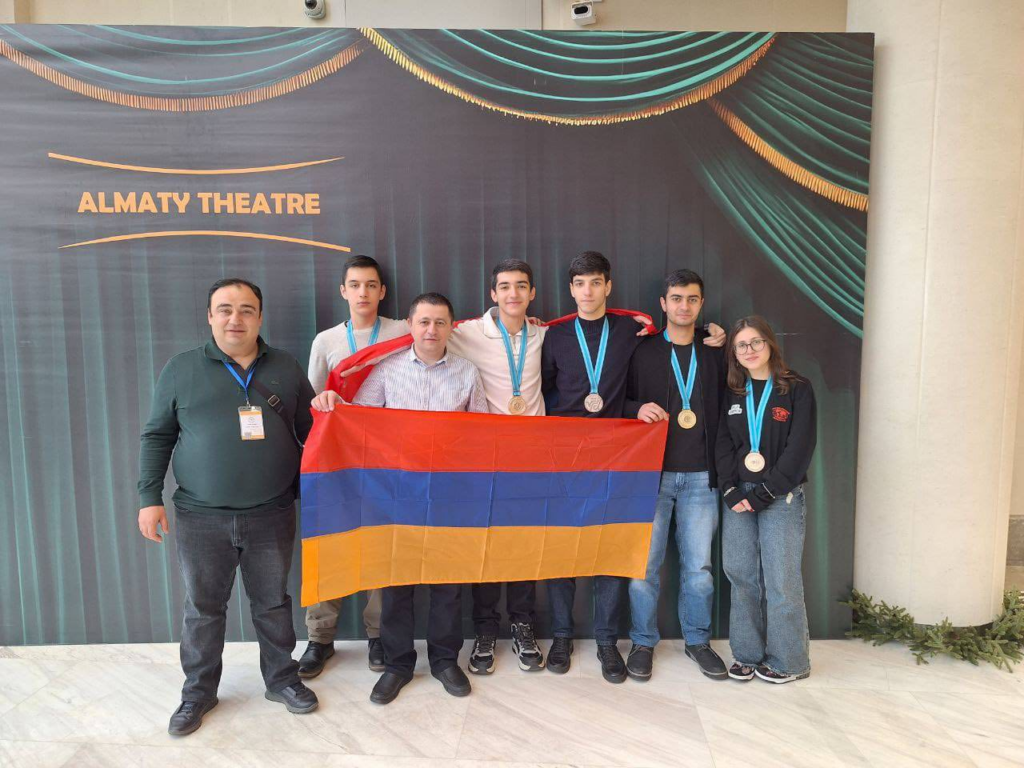
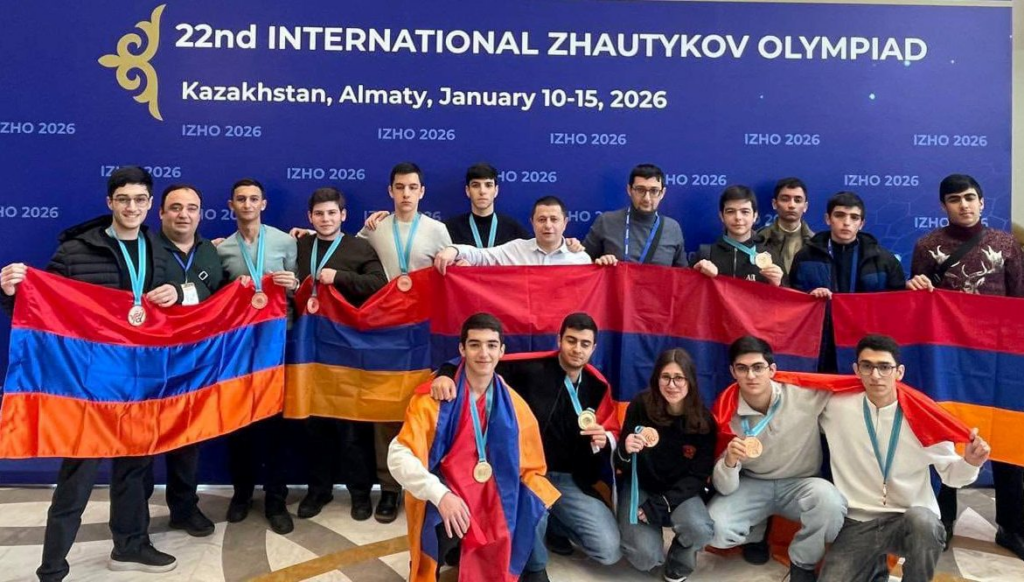
Դպրոցի արդյունքները բացառիկ են․ վերջին 11 տարիներին 156 աշակերտ ներկայացրել է Հայաստանը միջազգային օլիմպիադաներում՝ նվաճելով 115 մեդալ (4 ոսկե, 34 արծաթե, 77 բրոնզե)։
Վերջին 10 տարիներին Հայաստանից շուրջ 302 սովորող ընդհանուր թվով 186 մեդալ է նվաճել, որի մեծամասնությունը ֆիզմաթի սովորողներ են եղել։Միայն 2025 թվականին Ֆիզմաթցիները նվաճել են Հայաստանի միջազգային օլիմպիադաների բոլոր մեդալների 65%-ը։
«Ֆիզմաթ դպրոցի բարեկամ» բարեգործական հիմնադրամն այսօր աջակցում է 29 օլիմպիական խմբակի՝ ներգրավելով 405 աշակերտի հետևյալ ոլորտներում՝
- Ֆիզիկա՝ 167 աշակերտ
- Մաթեմատիկա՝ 152 աշակերտ
- Ինֆորմատիկա՝ 63 աշակերտ
- Աստղագիտություն՝ 23 աշակերտ
Դասավանդումն իրականացվում է 13-ից ավելի խմբակավարների կողմից, որոնց մի մասը հենց միջազգային օլիմպիադաների մեդալակիրներ են։
Հիմնադրամ՝ ձևավորված Հայաստանի տեխնոլոգիական առաջնորդների կողմից
«Ֆիզմաթ դպրոցի բարեկամ» բարեգործական հիմնադրամը ստեղծվել է 2019 թվականին՝ նպատակ ունենալով ամրապնդել և մասշտաբավորել գործող կրթական մոդելը։
Հիմնադրամի կառավարումն իրականացնում է 9 անդամից բաղկացած խորհուրդը, որի կազմում ընդգրկված են Հայաստանի առաջատար տեխնոլոգիական ընկերությունների առաջնորդներ՝ այդ թվում Krisp-ի, Onex-ի, Fimetech-ի, LigaTech-ի և NEGTEL-ի ղեկավարները և ոլորտի այլ առաջնորդներ։
Սա ավանդական բարեգործական հիմնադրամ չէ։ Սա ռազմավարական ներդրումային մոտեցում է, որը ղեկավարում են մարդիկ, ովքեր հստակ հասկանում են, թե ինչպես է STEM կրթությունը վերածվում իրական տնտեսական արժեքի։
Վերջին տարիներին հիմնադրամի ֆինանսական աճը զգալի է եղել․ 2024 թվականին եկամուտները կազմել են 11.6 միլիոն դրամ (~30,000 դոլար), իսկ 2025-ին՝ 31.8 միլիոն դրամ (~82,000 դոլար), ինչը նշանակում է 174% աճ։
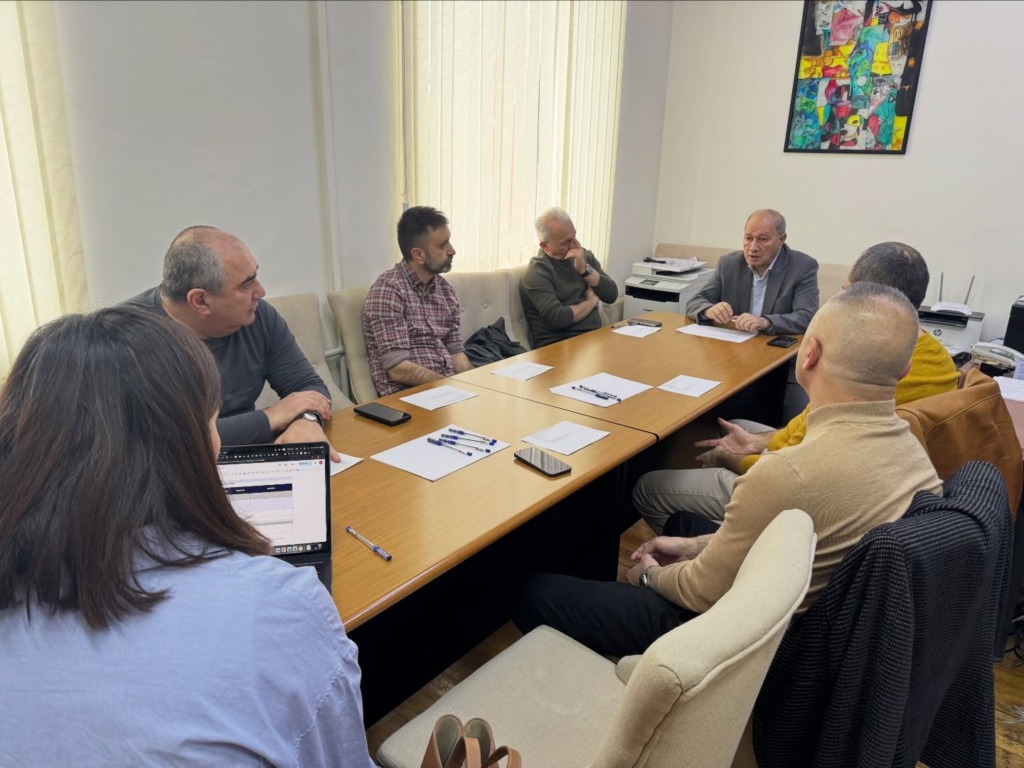
Հիմնադրամը ստացել է աջակցություն մի շարք կազմակերպություններից, այդ թվում՝ Global Entrepreneurship Foundation-ից, Krisp-ից, Onex-ից, Root-ից, Art-Group-ից, ինչպես նաև Հովնանյան հիմնադրամից։
Հիմնադրամի ծրագրերը
«Չեմպիոնների ձևավորում»
Հիմնադրամի գլխավոր ծրագիրն է, որը ֆինանսավորում է 29 օլիմպիական խմբակ, մշակում է հայերեն ուսումնական նյութեր և ձևավորում մենթորական ցանց՝ կապելով ուսուցիչներին, նախկին մեդալակիրներին և ներկա սովորողներին։
Ծրագրի շրջանակում 14 ուսուցիչ աշխատում է օլիմպիական նյութերի ստանդարտացման ուղղությամբ՝ առաջին անգամ ստեղծելով համակարգված հայերեն բովանդակություն։
Ռոբոտաշինություն և Ռոբոտաշինության առաջնություն
40 ակտիվ մասնակից (նախկինում՝ 10), որոնք պատրաստում են ռոբոտներ և մրցում ազգային մակարդակում։ 2025-ին 13 ռոբոտ է ներկայացվել է RoboChallenge-ում, իսկ 3-ը մասնակցել են ազգային օլիմպիադային, որի մասնակիցների շուրջ մեկ երրորդը աղջիկներ են։
Բանավեճի ակումբ
Բանավեճի ակումբը զարգացնում է քննադատական մտածողություն, հանրային խոսքի հմտություններ և վերլուծական կարողություններ։ Ակումբը կազմակերպել է միջդպրոցական առաջնություն և միջազգային միջոցառումներ՝ ներառյալ Եվրոպական համալսարանում և Krisp-ի գրասենյակներում անցկացված հանդիպումները։
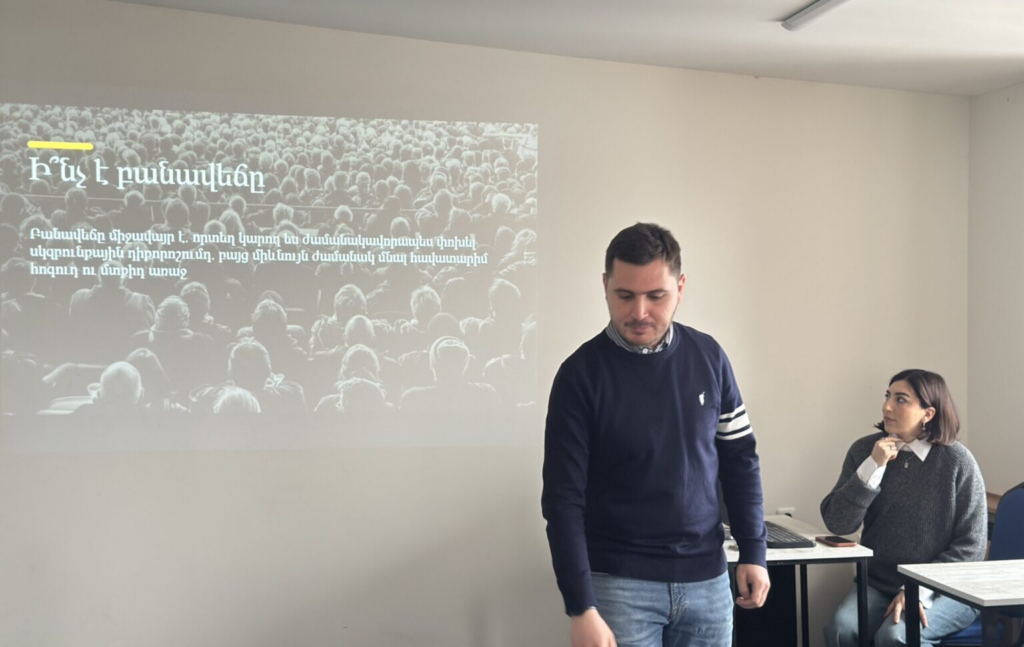
Հաղորդակցման մոդուլ
Աշակերտները սովորում են հաղորդակցման հմտություններ, ինչպես վարել հարցազրույցներ, գրել էսսեներ, կազմել պաշտոնական նամակներ, ունենալ հանրային ելույթներ և այլն։
Մաթեմատիկայի ամառային ճամբար
Մեկշաբաթյա ինտենսիվ ծրագիր՝ ուղղված խաղերի, թիմային խնդիրների և մարտահրավերների միջոցով մաթեմատիկայի նկատմամբ երեխաների հետաքրքրության բարձրացմանը։
«Պատանի մաթեմատիկոս» օլիմպիադա (2026)
Հայաստանում օլիմպիադաների մասնակցությունն սկսվում է 7-րդ դասարանից, ինչը բաց է թողնում վաղ տարիքի տաղանդների հայտնաբերման հնարավորությունը։
Նոր նախաձեռնությունը նախատեսում է ստեղծել ազգային օլիմպիադա 5–6-րդ դասարանների համար՝ բաց բոլոր մարզերի աշակերտների համար։ Ընտրված մասնակիցները կանցնեն ինտենսիվ ամառային և աշնանային ճամբարներ Ֆիզմաթում։
Այս մոդելը կրկնում է Չինաստանի հաջողված փորձը՝ տաղանդի վաղ հայտնաբերում և զարգացում։
Աղջիկները STEM-ում նախաձեռնություն
2026-ի ռազմավարական ուղղություն: Ներառում է պանելային քննարկումներ, հանրային արշավ, մենթորական աջակցություն և մեդիագրագիտության թրեյնինգներ։
Ներկայում Ֆիզմաթի օլիմպիական խմբակներ հաճախողների 17%-ը աղջիկներ են, իսկ 2025-ի մեդալակիրների՝ 20%-ը։
Դպրոցից՝ ազգային համակարգ
Այս պահին օլիմպիական հաջողությունները հիմնականում կենտրոնացած են Երևանում և Ֆիզմաթ դպրոցում։ Մարզերում՝ Լոռի, Շիրակ, Կոտայք, Արմավիր, Տավուշ, կան շատ տաղանդավոր երեխաներ, բայց նրանք չունեն հասանելիություն համակարգված մենթորության և պատրաստության։ Հիմնադրամը հանձն է առել այս անհավասարությունը փոխել։
«Օլիմպիական շարժում» նախաձեռնություն
Նպատակն է տարածել Ֆիզմաթի մոդելը Հայաստանի 5 մարզում՝
- Ստեղծել օլիմպիական չափորոշիչ մաթեմատիկա և ֆիզիկա առարկաներից
- Ընտրել և վերապատրաստել 10 մարզային ուսուցչի
- Բացել առնվազն 10 օլիմպիական խմբակ՝ մոտ 180 աշակերտով
- Համագործակցել FAST հիմնադրամի և «Քառակուսի» կրթական հիմնադրամի հետ
Ծրագիրն արդեն ունի պետական հետաքրքրություն։ ՀՀ կառավարության հետ քննարկվում էօլիմպիական շարժման հավանական ներառումը 2027 թվականի պետական բյուջեի ծրագրում, իսկ Հ․ Հովնանյան ընտանեկան հիմնադրամն արդեն տրամադրել է դրամաշնորհային աջակցություն։
Նպատակն է, որ երեք տարուց մարզային սովորողները մրցեն միջազգային օլիմպիադաներում Երևանի սովորողների հետ միասին։
Ինչու է սա կարևոր ՔԵԶ համար
Հայաստանը փոքր երկիր է՝ 3 միլիոն բնակչությամբ, բայց մշտապես գերազանցում է իր հնարավորությունները STEM ոլորտներում։ Տեխնոլոգիական ոլորտը ներգրավում է 58,000+ մասնագետի և աճում է արագ տեմպերով։ Սակայն բազան դեռ խոցելի է․ այն մեծ հաշվով կախված է մեկ դպրոցից և մի քանի նվիրյալ ուսուցիչներից։
«Ֆիզմաթ դպրոցի բարեկամ» բարեգործական հիմնադրամը նպատակ ունի այս համակարգը դարձնել կայուն, թափանցիկ և հասցնել ազգային մակարդակի։ Աջակցելով հիմնադրամին՝ Դուք պարզապես բարեգործություն չեք անում, այլ ներդրում Հայաստանի ամենակարևոր երկարաժամկետ ռեսուրսի՝ մարդկանց մեջ։
Յուրաքանչյուր դոլար վերածվում է իրական արդյունքի՝ միջազգային օլիմպիադայի պատրաստ աշակերտ, ռոբոտ կառուցող թիմ, վերապատրաստված մարզային ուսուցիչ,
STEM-ում իր տեղը գտած աղջիկ։
Ինչպես նվիրաբերել ԱՄՆ-ից (հարկային արտոնությամբ)
ԱՄՆ-ից նվիրատվություններն իրականացվում են Հայմաթ հիմնադրամի (Hi-Math Foundation) միջոցով, որը Լոս Անջելեսում գործող Հայ-Եմ բարեգործական հիմնադրամի (Hi-Am Charity Foundation) դուստր կազմակերպությունն է։ Նվիրաբերված միջոցների 100%-ն ամբողջությամբ ուղղվում է «Ֆիզմաթ դպրոցի բարեկամ» բարեգործական հիմնադրամին, և բոլոր նվիրատվությունները ենթակա են հարկային արտոնությունների։
Wire Transfer:
Hi-Am Charity Foundation
Bank of America
Routing Number: 026009593
Account Number: 000246802222